


A meaningful gift should not leave the giver anxious about groceries, bills, or the next occasion.
Meaningful gifts on a budget begin with two honest limits: what the giver can comfortably spend and what the recipient can comfortably receive. Price still matters, but it is not the only measure of value. Timing, usefulness, condition, presentation, and personal fit often decide whether a modest gift feels thoughtful or merely convenient.
This page is a practical starting point for choosing, making, finding, and sending a gift without allowing one gesture to unsettle the rest of the month.
Set the whole budget before choosing the gift
A gift budget works best when it is decided before browsing. Shopping first invites the item to set the limit; planning first gives the giver a boundary against urgency, comparison, and the familiar thought that adding one more thing will somehow complete the gesture.
Choose a limit that survives the occasion
Start with money that is genuinely available, not money expected from the next paycheck or recovered by cutting something essential. Then divide it among the item, wrapping, card, travel, delivery, and any group contribution. This is where planning gifts on a tight budget becomes useful: the limit is decided once, rather than renegotiated every time an attractive option appears.
The giver does not need to announce, defend, or apologize for the amount. The recipient only needs a gesture that fits the relationship and arrives without an invisible request for reassurance.
Count the cost of getting it there
Distance changes the calculation. A fragile mug may need padding and a larger box; an international order may add duties or carrier charges; a late decision may force expedited shipping. Before choosing the object, budget for gift shipping using the recipient’s location, package size, delivery window, and likely fees.
When delivery consumes too much of the limit, change the form rather than stretching the budget: buy locally near the recipient, send something flat, arrange a digital experience, or mail a well-written letter. The purpose is to move the care, not necessarily the object.
Use resources that are already within reach
Thoughtful inexpensive gifts do not all begin in a store. Time, attention, skills, and items already owned can become genuine gifts, but only when they suit the recipient. “Free” describes the cash cost; it does not excuse unfinished work, unwanted possessions, or a gesture so vague that the recipient must invent its meaning.
Give time or attention without disguising it as a product
The best free gift ideas when money is unavailable usually contain a specific action: cook one meal, scan and label family photographs, take over a disliked errand, record a message, repair something within your ability, or arrange time together on an agreed date.
A promise such as “I’ll help whenever you need me” places the planning back on the recipient. “I can bring dinner on Thursday or Saturday; which works?” removes that burden. A no-cost gift still needs a beginning, an end, and permission to decline.
Turn an available item into a deliberate choice
Useful books, unopened supplies, healthy plant cuttings, photographs, fabric, and complete hobby materials may already be nearby. The question is not “What can I get rid of?” but “What here genuinely fits this person?” Gift ideas using things already at home should pass the same standards as purchases: clean condition, complete parts, personal relevance, and no concealed repair job.

Remove old labels, clean the item safely, and explain the connection in one sentence. Do not disguise its origin. A used book chosen for a reader is honest; a random object wrapped to escape the donation box is not.
Treat thrift shopping as selection, not disposal
A thrifted gift can offer quality or character that the same budget would not buy new. It can also hide odors, cracks, missing pieces, unsafe wiring, stains, or a repair that costs more than the item. When choosing a thrifted gift worth giving, inspect every part that affects use and ask whether its history adds interest or merely creates uncertainty.
Books, frames, baskets, simple glassware, and complete board games are easier to assess than electronics, safety equipment, personal-care items, or anything that cannot be cleaned properly. Leaving a doubtful bargain behind is also a budget decision.
Separate a low price from poor value
Good budget gift ideas survive beyond the checkout screen. Value includes what arrives, how long it remains useful, whether it suits the recipient, and what they must spend or do afterward. A low price cannot compensate for unclear dimensions, missing accessories, mandatory refills, difficult returns, or a novelty that becomes clutter by evening.
Test the value before paying
- Clear contents
Confirm the quantity, dimensions, materials, included pieces, and condition.
Look forA listing or item you can describe accurately.AvoidPhotos that imply more than the written description includes. - Useful life
Picture when and where the recipient could realistically use it.
Look forA known routine, interest, or short-lived consumable.AvoidAn object that needs display space or maintenance they did not request. - Recipient cost
Notice batteries, refills, subscriptions, accessories, storage, and care requirements.
Look forA gift that works without a second purchase.AvoidA low entry price followed by ongoing expense. - Exit route
Check delivery timing, return terms, and whether the gift can be exchanged or passed along easily.
Look forLow pressure if the match is imperfect.AvoidPersonalized or final-sale items chosen with little information.
Read inexpensive online listings defensively
Marketplace images often show scale, accessories, or packaging that the cheapest option does not include. Confirm the selected variation, size, unit count, material, compatibility, seller, expected arrival, and return window. Recent review patterns can reveal repeated problems, but one dramatic review – positive or negative – should not decide the purchase.
These checks matter when finding a quality inexpensive gift online. If the description remains vague, uncertainty is part of the cost. Choose a clearer listing or a different gesture.
Make a small price ceiling useful
Lists of meaningful gifts under $10 are most useful as categories rather than promises: a favorite consumable, a small replacement for something worn, a practical refill, a printed photograph, or one item connected to a known interest. Availability, taxes, and prices change, so verify the current total before relying on any threshold.
Avoid multiplying tiny objects merely to make the package appear fuller. One useful item can communicate a clear choice; five unrelated trinkets communicate a shopping constraint.
Choose presentable rather than impressive
The difference between careless and affordable gifts that do not look cheap is rarely a ribbon trick. Check that the item is clean, complete, undamaged, and suitable for the occasion. Remove shipping labels and price stickers, use tidy wrapping already available, and include a short reason for the choice.
Do not describe the gift as “all I could afford” or ask the recipient to confirm that it is enough. That turns the handoff into a request for emotional repair. Let the gift arrive without a defense.
Compare handmade and bought costs honestly
Handmade is economical when the tools, materials, skill, and time already exist. A first attempt made under a deadline may require full packages of supplies, special equipment, practice pieces, replacement materials, and more expensive last-minute shipping.
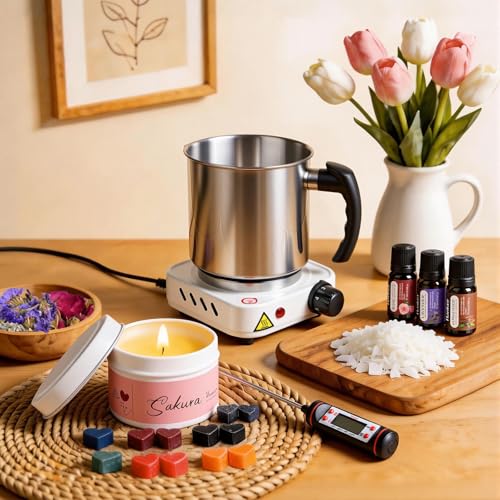
Before beginning, compare the complete material cost with a reliable ready-made alternative and decide whether the process itself adds meaning for this recipient. Asking whether handmade gifts are cheaper than buying can prevent a warm idea from becoming an unfinished and unexpectedly costly obligation.
Reduce the burden on the recipient
Low cost meaningful gifts are not automatically low pressure. A decorative bargain still needs shelf space. A starter device may require accessories. A personalized item may be impossible to exchange. The final check belongs to the recipient’s side of the exchange: what must they store, maintain, spend, say, or pretend after accepting it?
Give less stuff to someone who already has enough
For a person with full shelves and established preferences, look toward replenishment, consumption, connection, or practical support. Low-cost gifts for people who have everything should disappear through use, replace something known to be worn, or create a shared moment – not ask the recipient to house another permanent object.

Even experiences require care. Choose dates together, avoid nonrefundable plans when availability is unknown, and do not turn “time together” into an appointment the recipient must reluctantly honor.
Lower the risk when their tastes are unclear
When little is known about someone’s taste, avoid clothing sizes, fragrance, décor, dietary guesses, strong humor, hobby equipment, and subscriptions. A neutral practical item, an exchangeable choice, a contribution to a shared occasion, or a small consumable based on a confirmed preference creates fewer obligations.
Affordable gifts when you do not know what they like should reduce both financial risk and personal guesswork. The purpose is not to appear surprisingly insightful; it is to acknowledge the person without making them manage a confident mistake.
Let the gift be complete without an apology
- Choose the full spending limit before browsing.
- Count the recipient’s cost as well as your own.
- Prefer one clear connection over several uncertain extras.
Meaningful gifts on a budget are not smaller versions of expensive gifts. They follow a different discipline: notice the person, protect the limit, inspect the real value, and remove unnecessary burden.
Once the gesture is suitable, presentable, and comfortably affordable, stop comparing it with what more money might have bought.