


The hardest part is often not wanting to help. It is knowing what would actually make the day lighter.
I know this person is not okay. I want to do something now, but I do not know what they really need. I keep asking myself: What could I do that would make things a little easier?
When someone is struggling, we often say, “Let me know if you need anything.” We mean it. But an overwhelmed person may not know what to ask for – or may hate having to say, “Could you cook dinner, wash this laundry, or drive me to the pharmacy?” The kinder move is often a specific offer they can accept, change, or refuse with one short reply.
The best practical gifts for someone who needs help do not merely look useful. They remove one real task without creating another. That may be a meal, an errand, a ride, a useful household item, or simply taking responsibility for something that still has to happen while their energy is elsewhere.
Do not make them design their own rescue
“Let me know what you need” sounds generous, but it quietly hands the hardest part back to the tired person. They must notice a need, decide whether it is reasonable, choose whom to ask, explain the task, and risk feeling indebted. That is a surprising amount of paperwork for one kind sentence.
I would replace the open invitation with one or two concrete choices: “I can pick up your prescription this afternoon or leave dinner at the door tomorrow. Would either help?” This is practical help without extra work: the offer already contains the task, the time, and an easy way to say no.
Try: “I’m going to the grocery store at four. I can leave milk, bread, fruit, and anything else you name at your door. A thumbs-up is enough; no is fine too.”
Avoid promising “anything.” Offer only what you can complete without resentment, rushing, or needing them to supervise you.
Specific does not mean pushy. Ask before entering the home, touching laundry, handling medication, caring for pets, or collecting children. If they do not answer, do not treat silence as permission. The best practical support ideas preserve both their privacy and your good intention.
Find the task that is costing them most
- There is no food – or no energy to prepare it
A cooked dinner helps when cooking is the problem. When leaving home is the problem, sending groceries may remove more work. Ask about allergies, dietary restrictions, delivery access, and fridge space before ordering.
A useful clueAn empty fridge, missed meals, appointments running through dinner, or a request for familiar staples.What adds workA surprise feast they cannot eat, store, freeze, or clean up after. - Several people want to bring food
Good intentions can produce three dinners on Tuesday and nothing the following week. A well-organized meal train spreads help across useful dates and records dietary needs without making the family coordinate every giver.
A useful clueOne coordinator, a visible schedule, modest portions, and clear drop-off instructions.What adds workUnannounced deliveries, duplicate meals, and a group chat the recipient must manage. - Dishes and returns would become another chore
Bring food in containers that do not need returning. Label the contents and reheating instructions, then leave without creating a future exchange of bowls and lids.
A useful clueFreezer-safe portions, simple labels, and packaging the household can reuse or recycle.What adds workA treasured casserole dish that must be washed, stored, and returned. - Their schedule changes from one hour to the next
A flexible meal-delivery gift card lets them choose the day and food. Grocery-delivery gift cards can cover household basics as well, but only when the service operates locally and the fees do not swallow the value.
A useful clueA service they already use, broad local coverage, and enough value to cover fees and a useful order.What adds workA new app, short expiry, high minimum order, or credit that leaves them paying the balance.

Help without taking over
Kind intentions still need boundaries
Ask whether they want company or a doorstep handoff. New parents may need brief help without a long visit far more than another guest.
A person can appreciate the meal and still lack the energy to host, talk, tidy, or introduce the baby.
Choose one agreed task. During a move, helping without slowing them down may mean carrying labelled boxes, collecting supplies, or taking rubbish away – not reorganizing their belongings.
Unrequested sorting can hide important items and make someone feel judged inside their own home.
For exhausted parents, you can drop off a meal without asking them to host. Text when it is safely at the door and let them eat when the household allows.
Removing the visit can be part of the gift. It protects sleep, feeding time, privacy, and the freedom not to look presentable.
Money and energy also need boundaries. Do not offer a weekly school run when you can manage it only once, and do not spend beyond what feels comfortable just to make the gesture look serious. Reliable, modest support is kinder than a dramatic promise that disappears next Tuesday.
Match the help to the situation
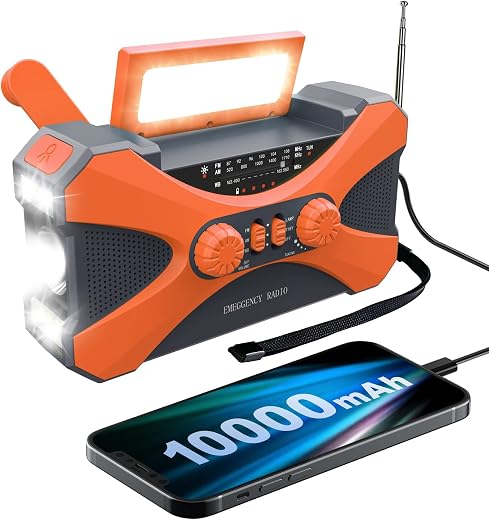
After a power outage, I would ask what is working before buying anything. Do they have electricity, clean water, phone service, refrigeration, or a safe way to cook? Useful supplies after an outage might be drinking water, charged power banks, batteries, ready-to-eat food, or a ride somewhere warm. A frozen meal is not much help when the freezer has stopped being a freezer.
A newly moved household has a different problem: useful things may already exist but be buried in boxes. Before buying décor, look at practical housewarming gifts that solve the first few days – basic cleaning supplies, toilet paper, a simple meal, or the exact tool they say is missing. These are gifts that make life easier; a large decorative object can wait until the home has room to become theirs.
Before choosing a practical gift, count what happens after it arrives. Must they assemble it, download an app, make fridge space, store it, return a container, book a service, pay extra fees, or find a polite place to display it?
The fewer hidden chores, the more likely the gift will make life easier.
Sometimes the right gift is not an object
There are days when another possession – even a sensible one – is not what the person needs. A ride to an appointment, an hour with the children, a dog walk, a pharmacy pickup, or quietly sitting beside them may do more. There are many ways to show care without giving a gift, and none of them requires turning the moment into a performance.
Grief needs particular care. Food and household help can be deeply useful, but timing, family customs, and the relationship matter. When flowers do not feel sufficient or suitable, thinking carefully about what to send after someone dies can prevent a generic gesture from landing as another obligation. A short message – “I’m thinking of you; no reply needed” – may accompany the help without demanding conversation.
Practical support should never become a way to inspect someone’s private life, decide how they ought to cope, or collect a story to tell later. Ask only for information needed to complete the task. Their difficult week belongs to them.
Help once, then remember them again
Immediate help gets someone through the next meal, errand, appointment, or night. Later support notices what is still hard after everyone else has gone home. Put a reminder on your own calendar rather than asking the overwhelmed person to remember your offer.
-
Name one thing you can genuinely do
Choose a meal, errand, ride, laundry load, school pickup, or short childcare window that fits your time and relationship.
-
Check only the details that affect the task
Ask about timing, allergies, access, privacy, storage, children, or pets as needed – not for the whole story.
-
Give a real choice
Offer two simple options or an easy no. Do not require an explanation for declining.
-
Complete the job without creating a sequel
Avoid containers to return, surprise visits, complicated setup, hidden fees, and anything that needs immediate thanks.
-
Check in after the busy helpers have left
A week or two later, make another specific offer you can keep. Do not ask them to revive the original invitation.
The measure is not how impressive the gesture looks. It is whether the person has one less thing to carry when you leave.
I may never know everything this person needs, and I do not have to. I can notice one ordinary burden, make one clear offer, respect the answer, and do exactly what I promised.
That is what useful gifts for difficult times are meant to do: not prove how caring I am, but let someone breathe a little more easily today.