


Experience gifts are activities, outings, or services given instead of a physical item: a theater ticket, a cooking class, a massage, or an afternoon out together. Some come with a confirmed date; others let the recipient book later.
Choosing the activity is only part of giving it well. A theater ticket may suit someone perfectly, yet still be difficult to use if they need childcare, transport, or another ticket for company. A generous voucher can also leave them with more planning than pleasure.
I would start with three questions: What would they enjoy? What can they realistically fit into their life? And what arrangements can I take care of before handing over the gift?
The following ideas help you choose an experience, decide what to leave open, and check the costs and booking conditions. Sometimes the right gift is a shared evening. Sometimes it is a quiet outing alone. The recipient’s circumstances should decide.
What an Experience Gift Actually Gives
An experience gift offers access to a moment rather than another possession: time to rest, something enjoyable to anticipate, or an occasion shared with someone else.
Its value is not guaranteed by the absence of wrapping paper. The experience still has to fit the recipient’s interests, energy, and actual life.
Less to Own, but Something Meaningful to Anticipate
An experience can suit someone who enjoys an activity but has little need for another possession. A museum visit, a matinee, or a short workshop gives them something to do without needing a permanent place in their home.
That does not make it effortless to receive. Before buying, picture the whole outing: getting there, taking part, and coming home. If the arrangements are difficult, choose a simpler experience or offer to handle the part that would otherwise stop them going.
The Gift Beneath the Gift
The reason for choosing the experience is worth making clear. A ticket to a play they mentioned shows you remembered the conversation. A quiet afternoon out, with the transport already arranged, shows you considered how they would get there. Those details give the gift a connection to the person receiving it.
There is a delicate line, however, between noticing and prescribing. Giving a massage to someone who has mentioned aching shoulders is attentive.
Giving it because you have decided they need to “take better care of themselves” may feel like a polite correction. The same gift changes meaning according to the thought wrapped around it.
Before buying, picture the recipient using the gift from beginning to end. Do they have to research the venue, choose among dozens of options, arrange transportation, find childcare, pay extra fees, or explain why the proposed date does not work? Every step you can remove gives a little more of the gift back to them.
When a Physical Gift Is Still the Kinder Choice
An experience is not automatically more meaningful than an object. Someone working unpredictable hours may not want a reservation hanging over them.
A person who feels drained by crowds may dread the concert everyone assumes they would love. Someone caring for a family member may be unable to leave home, however badly they need a break.
In those moments, a physical gift can be gentler because it waits without asking anything. A soft blanket, a book chosen with care, or a meal delivered to the door can meet the recipient where they are.
The point is not to prove that experiences are better. It is to choose the form of care that creates the least pressure.
I would rather give someone a modest pleasure they can truly receive than an impressive experience they must struggle to use.
The best clue is often hidden in ordinary conversation: what they keep postponing, what makes them tired, what they miss, and what they wish they had time to do. Listening for those small truths is where an experience gift really begins.
The same experience can feel generous or burdensome depending on what the recipient must arrange, decide, or quietly agree to.
- Time
- Awkward: Give a spa appointment or movie ticket on a fixed date, then leave the recipient to arrange childcare, transportation, and everything that must be finished before they can go.
Thoughtful: Give a flexible voucher and remove one practical barrier: “Choose the day that suits you. I’ll watch the children and bring dinner that evening.” The gift creates time before asking them to spend it. - Choice
- Awkward: Say “Choose anything you like” and hand over a huge catalogue, or book every detail without checking what fits. One creates a research project; the other removes their control.
Thoughtful: Offer two or three carefully chosen possibilities, explain what each includes, and make changing the idea easy. You do the narrowing; they keep the final say. - Connection
- Awkward: Give two tickets with the silent expectation that the recipient must invite you, follow your itinerary, and show enough excitement to prove the gift was appreciated.
Thoughtful: Say clearly whether the experience is “for you” or “with me.” Let them choose their companion, leave room around the plan, and make the invitation safe to decline.
Match the experience to the person, not the occasion
A birthday, retirement, or holiday may explain why I am giving, but it does not tell me what the person would enjoy receiving. I get closer by looking at their energy, interests, responsibilities, and the way they already spend their free time.
For someone exhausted: restore before entertaining
A short massage, a quiet garden visit, or an afternoon at a familiar café may be easier to use than a full-day outing. Check what the person actually enjoys; rest does not look the same for everyone. If leaving home is the difficulty, offer practical help first and let the outing wait.
For someone who values culture and curiosity
A theater ticket, museum visit, workshop, or local tour can suit someone who enjoys discovering things. I would begin with an interest they have already shown and choose the right depth: an introductory class for the curious beginner, not an advanced course that makes enjoyment feel like an exam.
A tasting can still feel festive when it centers on tea, coffee, chocolate, food, or thoughtfully made alcohol-free drinks. Nonalcoholic tasting experiences allow the recipient to enjoy the occasion without explaining what they do or do not drink.
For someone who prefers nature and open space
A garden visit, guided walk, picnic, or national park pass as a gift may suit someone who enjoys being outdoors. Check the locations covered, travel distance, access, weather arrangements, and whether they already have admission or a pass. Choose an outing they can realistically reach and use.

For someone who lives far away
Distance makes local knowledge more important. I would choose something easy to use near their home, send the booking details clearly, and avoid an experience that depends on my being there. A delivered meal, local admission, or online class can still feel personal when the note explains why it reminded me of them.
Make time for the experience, not just a booking
A free afternoon on the calendar does not always mean someone can go out. They may still need a ride, childcare, or help getting dinner on the table. Before adding an activity, ask what would make it possible to attend.
Remove the work that would keep them from going
-
Cover one practical task
Offer help connected to the outing, such as bringing dinner or collecting groceries that day. Choose something you can comfortably follow through on.
-
Agree on care arrangements
If childcare or caregiving is needed, ask what arrangement the recipient would trust. Confirm who will help and the hours covered before booking the activity.
-
Remove the booking and travel work
Offer to check the route, parking, and booking arrangements. When a meal is the gift, choosing between a gift card or reservation depends on whether the recipient would welcome a plan already made or prefer to decide later. Confirm the date before making a reservation that could create a cancellation charge.
-
Leave room around the activity
Allow for travel and an unhurried return. Ask before adding dinner, drinks, or another stop to an outing the recipient has already agreed to.
Offer the support first, then confirm the activity with the recipient. Help should make the outing easier to use, not commit them to going.
Pair the Experience With the Support It Requires
- Childcare or caregiving
The recipient should not have to spend the week arranging coverage just to enjoy a few peaceful hours.
IncludeA trusted person, clear start and finish times, and care that is fully covered.AvoidA vague promise to “figure something out” after the gift has been given. - Transportation
A lovely experience can lose its softness when getting there involves difficult traffic, unfamiliar roads, or expensive parking.
IncludeA ride, prepaid transport, nearby parking, or a venue that is genuinely easy to reach.AvoidChoosing a distant location simply because it looks more impressive. - Recovery time
Even enjoyable outings can be tiring for someone whose week is already full.
IncludeA comfortable start time and an unhurried return home.AvoidPlacing the experience between two obligations or at the end of an exhausting day.
A ride home, dinner already arranged, or enough time to return without rushing can determine whether the outing is practical. Include that support in the offer instead of assuming the recipient will arrange it afterward.
Make the Offer Specific Enough to Become Real
-
Name what you can cover
“I can drive you there and bring you home” is easier to answer than “I’ll help with the arrangements.”
-
Agree on the time
Confirm the start, finish, and travel time. Offer possible dates without booking the activity first.
-
Leave the outing optional
If they would rather rest or postpone, let the help remain useful without requiring them to attend an activity.
Make an offer the recipient can answer without having to organize the help themselves.
“If you would enjoy the Saturday class, I can watch the children from noon until five. If another date suits you better, we can arrange that instead.”
Use an offer like this only when it is something you can comfortably follow through on.
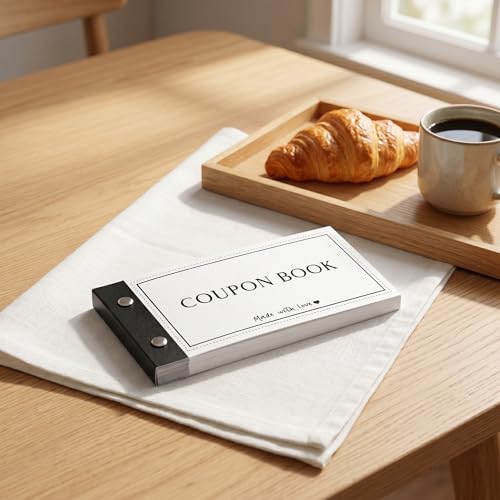
Give choice: freedom without handing them another decision
Choice can make an experience gift feel considerate, but only when the recipient does not have to build the entire gift themselves. Someone already making decisions all day may want the final say without wanting another evening of comparing venues, prices, dates, and restrictions. The giver can do the searching and narrowing, then leave the personal decision in the recipient’s hands.
Leave the date in their hands
A fixed date can make a gift feel real: the plan is made, the tickets are ready, and something pleasant is waiting. But it only works when the giver knows the recipient’s schedule well. Otherwise, the gift may arrive with a hidden request to rearrange work, childcare, family duties, or a badly needed day of rest.
- Choose tickets that can be exchanged or transferred.
- Look for a long redemption period rather than a hurried expiry date.
- Prefer an experience that can be booked later when the recipient’s calendar is uncertain.
- Tell the recipient when they need to book, without choosing the date for them.
For someone whose schedule is uncertain, experience gifts with flexible dates can leave room to choose later.
Before paying, check the available locations, booking window, excluded dates, and what changes after a date is confirmed. “Book later” does not necessarily mean “cancel later without a charge.”
“You can choose the date from the available sessions. I’ve included the booking details, and I’m happy to help arrange it.”
Promise flexibility only to the extent the gift actually provides it. If there is a booking deadline, include it.
Make a getaway feel possible, not complicated
A weekend away sounds generous because it promises distance from ordinary responsibilities. Yet it also touches parts of someone’s life that may not be visible to the giver: work schedules, caregiving, health, pet care, school events, travel anxiety, and the cost of everything not included.
Unless I know the person’s circumstances very well, I would not quietly choose the dates, hotel, and itinerary. I would give the shape of the gift – a contribution toward a stay, a destination idea, or an invitation to plan together – without closing every door before they have answered.
These choices make a getaway without fixed dates feel like a real possibility rather than a complicated promise the recipient must somehow fit into their life.
Ask quietly about personal boundaries
Surprise can be lovely, but it should not depend on guessing about something that affects the recipient’s comfort. Mobility, food restrictions, crowds, noise, alcohol, physical effort, and social expectations can decide whether an experience feels welcoming or impossible to use.
Consider walking distance, stairs, seating, transport, and how long the person will need to stand.
Menus, tastings, and classes may involve allergies, religious restrictions, medical needs, or a personal decision not to drink alcohol.
A popular event may be exciting to one person and exhausting to another.
An activity can match someone’s interests and still be too demanding at this point in their life.
Before gifting a cooking class, check whether the teacher can accommodate the recipient’s dietary requirements. Ask about ingredients and preparation arrangements rather than assuming they can simply skip part of the recipe. Checking dietary needs before booking is especially important when the gift involves preparing and eating food with others.
The questions can remain simple: “Would you enjoy doing this alone or with someone?” “Are there foods you would rather avoid?” “Would a quiet weekday suit you better than a crowded weekend?” A careful question does not ruin the surprise. It protects the person inside it.
Choose a card with useful options near them
A card covering several venues can be useful when the recipient lives far away. Before buying, search the options near their home and check whether the card covers the kind of activity they would actually choose.
For long-distance giving, experience gift cards that can be used nationwide are most useful when there are suitable local choices, not merely a long list elsewhere.
Compare the card amount with the likely cost of one complete experience, including a companion where appropriate.
The value of a gift card may be visible, and that is fine. Explain what the amount is intended to cover. If the recipient would need to pay extra for the experience you have in mind, either cover that difference or make clear that they can choose something else.
Give connection: decide whether the gift says “for you” or “with you”
I do not assume that a shared experience is automatically more meaningful than one enjoyed alone. Sometimes the caring message is “I would love to spend this time with you.” Sometimes it is simply “I saw this and thought of you.” The difference is small on paper, but the recipient can feel it immediately.
Decide between one ticket and two
One ticket
A single ticket can respect someone’s independence and let them enjoy an interest at their own pace. It works best when the activity feels natural to attend alone and does not leave them facing an unexpected cost for company.
Two tickets
Two tickets let the recipient bring someone they choose. They may invite the giver, a partner, a friend, or the person whose company makes that particular experience feel most comfortable.
When I am unsure, I think about the actual day rather than the ticket itself. Would this person enjoy arriving alone? Would company make the journey home easier?
Is there someone they would naturally want beside them? Looking closely at giving one or two show tickets can prevent a generous gesture from creating an awkward extra expense.
Make room for plans to change
A ticket fixes an experience to a particular hour, while work, illness, or family plans may change. Before buying, I check whether concert tickets can be transferred or moved to another performance. Digital delivery alone does not guarantee either option.
Build connection around the recipient’s comfort
- Quiet company
A slow breakfast, a familiar café, a walk, or an afternoon browsing a garden gives conversation somewhere to appear without demanding it.
- A small shared activity
A workshop, local exhibition, or short class provides enough structure to settle awkwardness while leaving room to enjoy each other’s company.
- A larger occasion
A concert or busy event can be wonderful for someone who enjoys that energy. It should be chosen because the setting suits them, not because a larger crowd makes the gift look more impressive.
As an introvert, I know that affection and appetite for crowds are two separate things. I can care deeply about someone and still prefer a quiet table, a familiar walking path, or a room where I can hear them speak. A full day together is not always more intimate than an unhurried hour.
I try to notice where the recipient seems most like themselves. Some people become animated in a busy room. Others begin to soften only when the noise falls away. Connection has a better chance when neither person must spend the experience enduring the setting.
I have found that overplanning can make two people feel strangely far apart. Everyone is watching the time, finding the next address, and trying not to delay the schedule. When there is a little empty space, the day can settle. Conversation is no longer competing with the itinerary.
Protect the relationship from hidden expectations
An experience gift can carry an expectation without ever naming it. Perhaps the giver assumes they will be invited. Perhaps they hope the outing will repair a strained relationship. Perhaps they expect photographs, enthusiasm, or gratitude large enough to match the price. The recipient may sense all of this before the envelope is even closed.
I would not use a gift to secure time someone has not freely offered. Nor would I ask an experience to perform the work of an overdue conversation. A dinner reservation cannot settle an old hurt simply because the table is beautiful. Two tickets cannot create closeness when one person still needs distance.
Would you remain comfortable if they changed the date, chose another companion, shortened the outing, or enjoyed it without sending photographs afterward? When the answer is yes, the experience is much more likely to feel like a gift rather than a quiet claim on their time.
Prevent a thoughtful experience from becoming a burden
The practical details are not the romantic part of an experience gift, but they often decide whether it gets used. I would rather discover an awkward restriction before paying than leave the recipient to discover it afterward.
Check the full cost, not only the advertised price
- Transport, parking, tolls, or overnight accommodation
- Childcare, pet care, or caregiving cover
- Equipment, clothing, food, drinks, or gratuities
- The cost of a second ticket when the activity is naturally social
If the recipient must spend a substantial amount to unlock the gift, I either cover more of the cost or choose something simpler. Modest and complete feels kinder than impressive and unfinished.
Check expiration before buying
Check the gift certificate’s expiration date, the deadline for booking, and whether the activity must also take place before that date.
These may be different requirements. If an extension is available, confirm any charge and the conditions before relying on it.
Understand what cancellation actually costs
An experience gift’s change and cancellation terms can differ before and after a date is booked.
Before buying, find out how much notice is required, whether changing plans costs extra, and whether cancellation returns money, credit, or a usable voucher.
If the seller’s information is inconsistent, ask for written confirmation of the conditions that apply to the gift you are considering.
Changing the date, transferring the booking, receiving credit, and getting money back are different outcomes. Check which are available before describing the gift as flexible.
Give enough information without creating homework
-
What the gift includes
State whether it covers admission, equipment, food, drinks, a guest, or only part of the experience.
-
How to book
Include the direct booking link, phone number, voucher code, and any instructions.
-
Where and when it can be used
Give the location, available dates, booking window, and last usable date.
-
What can be changed
Explain the transfer, rescheduling, cancellation, and refund rules in plain language.
The recipient should not have to search through an unfamiliar website to understand the gift.
How to present an experience gift so it still feels like a gift
Once the practical arrangements are clear, give the recipient something simple to open: a card, a printed invitation, or a small detail connected to the outing. Keep the message personal and the instructions easy to find.
Give it a small physical form
A printed ticket, handwritten card, small map, or simple object connected to the outing gives the recipient something to open. It marks the moment without creating another possession they must store indefinitely.
Explain the thought, not the price
I would say what I noticed: “You have talked about this play for months,” or “I thought you might enjoy a quiet afternoon that asks nothing of you.” That explanation makes the gift personal. Its price does not need to do the talking.

Use words that leave room to breathe
“I remembered you mentioning this and thought you might enjoy it. The booking details are inside. If the dates or arrangements do not work for you, please tell me and we can check the options together.”
The note does not need to explain every emotion. It only needs to make the care visible and the freedom unmistakable.
A simple test before you give the experience
A thoughtful experience does not need a perfect answer to every question, but it should not leave the difficult answers for the recipient to discover.
The best experience gift leaves the recipient lighter
Before buying, be able to name the experience, explain why it suits this person, and say what arrangements you will cover. Leave the decisions that need their input open until you have asked.
A good experience gift gives the recipient something they want to do and a workable way to do it. Once those two parts are in place, a simple invitation is enough.
