
A consumable gift is something intended to be used up: eaten, drunk, burned or depleted through ordinary use.
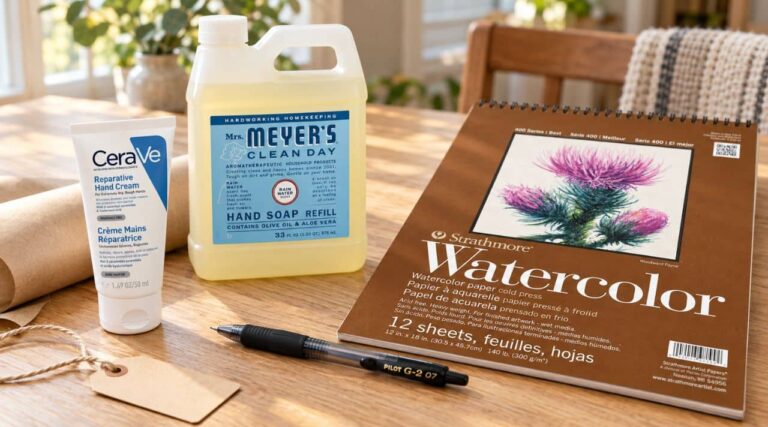
Coffee, chocolate, soap, candle wax and painting supplies are familiar examples. The appeal is that the recipient can enjoy the gift without finding a permanent place for another possession. The contents have an ending, even if a jar, tin or wrapper remains.
But a gift does not disappear just because we call it consumable. Tea nobody likes can occupy a cupboard for months. An impressive hamper may leave one person with more food than they want. A bottle of unfamiliar lotion can become something they keep meaning to pass along.
When someone asks what is a consumable gift, the definition is only half the answer. It works when the particular item fits the person, the amount fits their life and using it does not require a new habit or an extra purchase. A small favorite can feel thoughtful. A large selection chosen on a guess can give the recipient another decision to make.
What counts as a consumable gift?
The useful distinction is what happens during normal use. A consumable gets eaten, poured, burned, applied or used as a material.
A durable gift is intended to remain available for repeated use. A tea bag is consumable; the teapot is not. Both might make good gifts, but they ask different things of the recipient.
Almost everything eventually wears out. That does not make a blanket or a kitchen knife a consumable in the usual gift-giving sense.
For this article, the term means an item whose contents or material are deliberately depleted as it is used.
Food and drink
Biscuits, coffee, tea, olive oil, jam and seasonings are eaten or drunk. Their suitability still depends on taste, diet and how they will be prepared.
Personal-care products
Soap, shampoo and lotion are gradually used up. Familiar products are easier to choose than an assortment of untested scents or formulas.
Home consumables
Candle wax and household refills run out. The candle vessel or refill dispenser may stay, and the recipient must actually want to use the contents.
Creative supplies
Ink, paint, paper, thread and yarn are used during a project. A finished painting, letter or knitted item may remain afterward.
These categories explain the meaning; they are not a shopping list for everyone. Someone who likes drawing may have strong preferences about paper.
Someone who uses soap may prefer a particular liquid product rather than a bar. The category tells you that a gift can be used up, not that this person will use it.
It also helps to look at the whole package. A food hamper can contain consumable food alongside a serving board, cups and a decorative basket.
The contents do not make the entire set clutter-free. If the recipient wants fewer objects, those extras deserve the same consideration as any other physical gift.
Consumable, experiential and clutter-free are different ideas
These terms often appear together because they offer alternatives to permanent possessions. They describe different features, however.
Keeping the distinctions clear makes it easier to notice what the person will receive and what they will need to manage.
A meal can be both food and an experience
A box of chocolates is a straightforward consumable. Dinner at a restaurant is an experience that includes food. A restaurant gift card provides spending credit toward that experience.
You may see all three described as consumable gifts in broader gift guides; calling the card an experience or choice-based gift makes its practical requirements easier to explain.
The distinction matters because a gift card must be redeemed. The recipient may need to travel, book a table or pay a balance.
The food will be eaten, but the arrangement is not automatically effortless. An outing can be a lovely choice when the person welcomes the plan.
Similarly, digital subscriptions avoid a physical package, but they are access to a service rather than a physical supply being used up.
Account requirements, duration and any renewal terms still need checking. “Nothing to store” answers one question, not every question.
A plant or reusable object does not become consumable
Cut flowers are a temporary gift, although they are not used up in quite the same way as tea. A houseplant is a living thing expected to remain and need care.
Calling it consumable because it could eventually die misses what the recipient is being asked to do.
A scarf, a book or a reusable cleaning cloth can be useful and welcome. They are durable gifts. Craft supplies need a little nuance: the paint or yarn is used as material, while what is made from it can stay.
That makes the supply consumable without promising that the gift leaves no lasting object.The point is not to police the name on a gift guide.
It is to avoid using a reassuring label instead of thinking about the actual gift. If the goal is fewer belongings, examine what remains and how much attention it needs.
When a consumable gift works well
The strongest reason to choose a consumable is a known preference. A person has mentioned it, asked for it or repeatedly enjoyed it.
You are bringing something into an existing routine, rather than hoping they will develop a taste for it because it came from you.
- They want this particular item You know the flavor, format, formula or supply they actually enjoy. A broad interest is a starting point, not enough detail to buy.
- They have room and time for the amount The quantity fits their household and usual pace of use. A gift should not require reorganizing a cupboard or rushing to finish it.
- They can use it as they are They have the equipment and routine it requires. No new appliance, additional purchase or unwanted project is needed.
This can be especially welcome to a person who enjoys receiving gifts but prefers fewer permanent belongings.
The wider choice of gifts for minimalists includes consumables, but the person’s preferences come before the label “minimalist.” They might love a requested keepsake and dislike bath products.
A small consumable also works as a thank-you when it matches something you know about the recipient. The thought can be in remembering the snack they prefer or the ink they use, rather than assembling a large themed box. Familiar does not have to mean careless.
For someone decluttering, check the timing as well. A favorite food may be welcome now, or they may be emptying the pantry before a move. Their wish to own less is not permission to send unlimited items that will eventually run out.
Food and drink: familiar tastes, workable quantities
Food is easy to recognize as consumable and surprisingly easy to get wrong. “They like coffee” still leaves the roast, caffeine preference and preparation method open. “They enjoy cooking” does not tell you whether they want another jar of something they rarely use.
Match the format to their kitchen
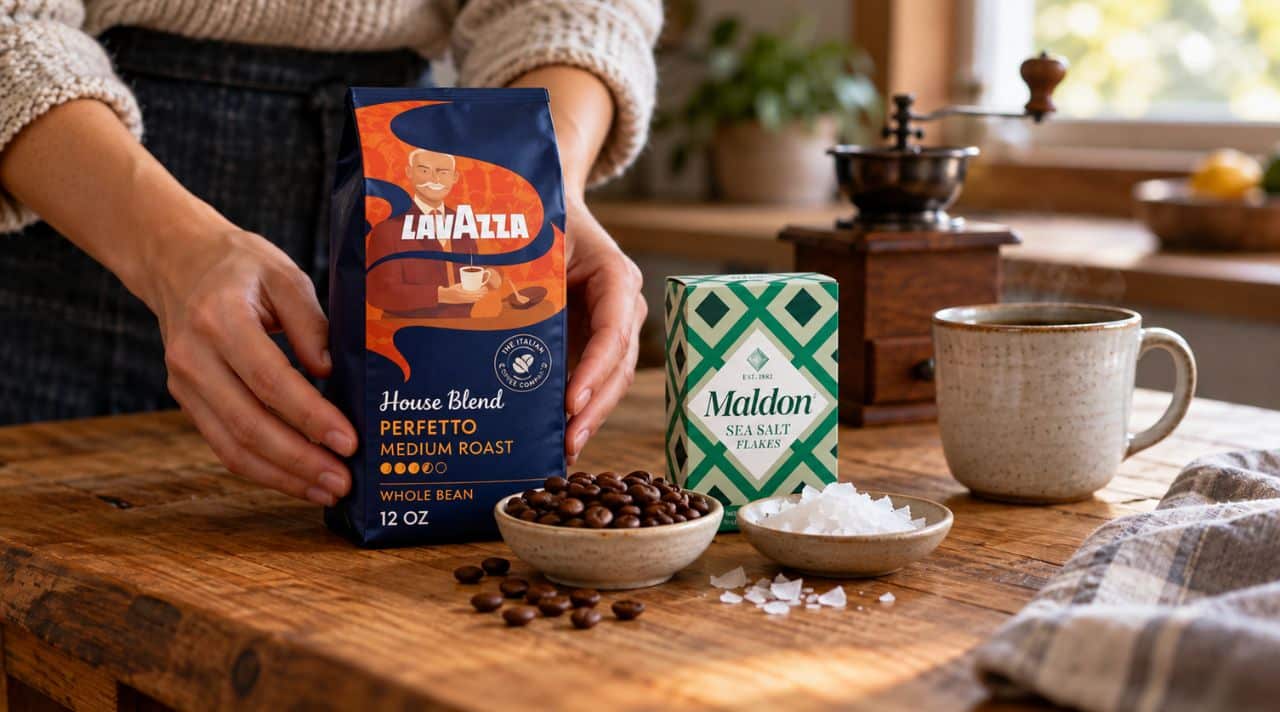
Whole beans make sense for someone who grinds coffee. They are an awkward gift for someone who only uses instant coffee or a capsule machine.
Loose-leaf tea may need equipment or preparation the recipient does not enjoy; their usual tea bags might be a much better fit.

For a person who prefers savory food, non-sweet food gifts can offer more useful directions than another box of chocolates.
Think about a condiment or seasoning they already like, rather than assuming anything described as gourmet will be welcome.
Finishing salt, for example, can suit a cook who already enjoys adding a little texture at the table.
Maldon sea salt flakes illustrate this kind of consumable: a small pinch is used on a finished dish. One box can be enough; the gift does not need a new salt cellar or serving set.
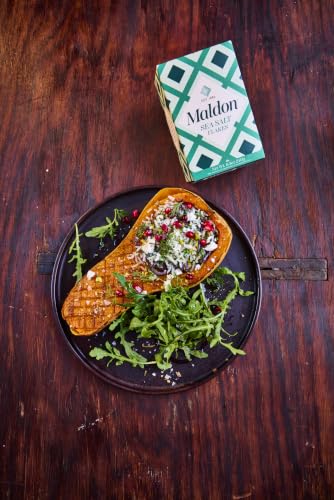
That is still a conditional example, not a universal recommendation. If the recipient does not want more salt in their pantry, another favorite will serve the purpose better.
The useful question is what they will enjoy using, rather than which product looks most gift-like.
Keep food information and timing clear
Ask about dietary restrictions before choosing food, and keep the original ingredient information available.
The FDA’s food-allergy guidance advises checking labels each time because ingredients can change. A product someone has eaten before should not be assumed unchanged.
When allergies are involved and suitability is uncertain, do not guess from a product name or the front of the package. Ask the recipient what they trust, or choose a different kind of gift.
Homemade food can be thoughtful, but the absence of a printed label does not remove the need for clear ingredient information.
Fresh food needs an agreed time when it can be received and stored according to its directions. A surprise chilled delivery is poorly timed if the person is away.
Even shelf-stable food needs space, and a large assortment can be inconvenient for someone living alone.
Choose an amount they can enjoy at their normal pace. The aim is not to provide the greatest quantity for your money. A gift that requires them to eat more than they want has already drifted away from being a treat.
Non-food gifts work best as the right refill
Soap, stationery and craft materials show that consumable does not mean edible. They also show why exact details matter. A known refill can save a little shopping; an unfamiliar product can become another thing to test, store or give away.
For personal care, ask about the particular product rather than choosing by a pleasant scent or attractive wrapper.
Unscented is a preference some people welcome, not a promise that an item will suit everyone. Do not use a gift to suggest that somebody needs a new skincare routine.
For writing and craft supplies, compatibility matters. Ink refills must fit the pen. A paper size or yarn fiber can matter more than the generosity of the pack. If a recipient gives you an exact name or link, keeping to it is often the thoughtful part.
“Is there a particular refill or material you would welcome more of?” gives an existing hobby room to speak. It is a better starting point than a large beginner kit for something they have never said they want to try.
The separate article on non-food consumable gifts covers more choices. Here, the principle is enough: choose a supply connected to a real habit, in the version and amount the person wants.
Some practical supplies carry a message as well as a use. Cleaning products can sound like commentary on someone’s house; personal-care products can feel equally pointed.
They work more naturally when requested or linked to an interest the recipient has openly shared.
When “used up” still leaves clutter or work
A gift may be technically consumable and still be a poor choice. The problem can be the contents, the quantity, the equipment needed or the packaging left behind.
Spotting these limits is more useful than treating consumables as gifts that cannot go wrong.
Unused contents still occupy space, and containers may remain after use.
A familiar item in a manageable quantity is more likely to fit than a large assortment chosen without knowing the recipient.
Being used up does not tell you how much packaging, waste or transport a gift involves.
Consider the whole gift. Avoid adding a decorative object merely because the contents are temporary.
A candle may leave a jar. Jam leaves a container. A hamper leaves a basket and sometimes several accessories.
Reuse can be useful when the recipient actually wants those objects; otherwise, calling them reusable just gives the recipient permission to keep something they never needed.
The questions behind low-waste gifting deserve their own attention.
Consumable is a description of use, not an environmental guarantee. Simple packaging can help keep the handoff manageable without needing an elaborate claim about sustainability.
A kit can add another kind of burden. A baking mix that needs shopping, equipment and an afternoon in the kitchen may delight an enthusiastic baker.
For someone exhausted or short of time, a ready-to-eat favorite might be easier. If your real aim is relief, practical help may serve them better than ingredients for another task.
Finally, a consumable is not a workaround for “no gifts.” Someone who has asked you not to buy anything does not owe an exception because your purchase is edible.
Nor is it the right choice for every occasion: a person who wants a lasting reminder may prefer a carefully chosen durable gift.
Give a small favorite without adding an assignment
Once the choice is right, the handoff can be simple. Leave useful information on the package, agree on delivery when storage matters and resist adding accessories to make the gift appear more substantial.
A short note can explain why you remembered this particular item.
“You mentioned enjoying this, so I brought a little for your next quiet afternoon” is warmer than a page explaining the virtues of consumable gifts. It tells the recipient you listened.
There is no need to ask them to open it immediately, report back or keep the container as proof of appreciation.
- The right item
Can you name why this specific flavor, format or supply suits the recipient?
- The right amount
Can they use it at their usual pace without storing a large surplus?
- A manageable handoff
Can they receive and store it, with ingredients and instructions still available?
- No unwanted extras
Are you adding a mug, basket or new project to make a small gift look bigger?
If one answer is uncertain, ask a small question before buying. If several are uncertain, change direction. You do not have to force a consumable choice simply because the person has enough possessions.
A consumable gift works when its usefulness is personal. It can be ordinary, short-lived and modest in size, yet still say that you paid attention. Once it is given, let the recipient enjoy it in their own way.
What is a consumable gift? It is something meant to be used up through ordinary use. Whether it works depends on the person receiving it: what they like, what they can use and what will remain afterward.
Choose a familiar pleasure or a wanted supply, keep the amount comfortable and make receiving it easy. The gift does not need to last forever to matter. It does need to be welcome while it is there.