
A graduation, retirement, or anniversary can make a modest gift suddenly seem too small. You want to honor the occasion, but a larger purchase does not necessarily say more about the person or what they have achieved.
Useful milestone gift ideas begin with a simpler question: what would help this person feel recognized? A keepsake can preserve part of their journey. Something practical can support their next step. Time together or a thoughtful note can acknowledge the occasion without adding another possession.
The right direction depends on their life, your relationship, and how they want to mark the day. A graduate starting out may welcome something they have asked for. A retiring colleague may value specific memories from the team. A couple celebrating an anniversary may prefer a familiar afternoon together to a traditional gift they would never use.
Start with the kind of gesture they would welcome, then find the milestone below that fits their situation. You can honor a significant moment without letting its size dictate your spending.
Choose a Gift That Reflects Their Journey, Next Step, or Time Together
Choose a Keepsake When They Want to Remember the Journey
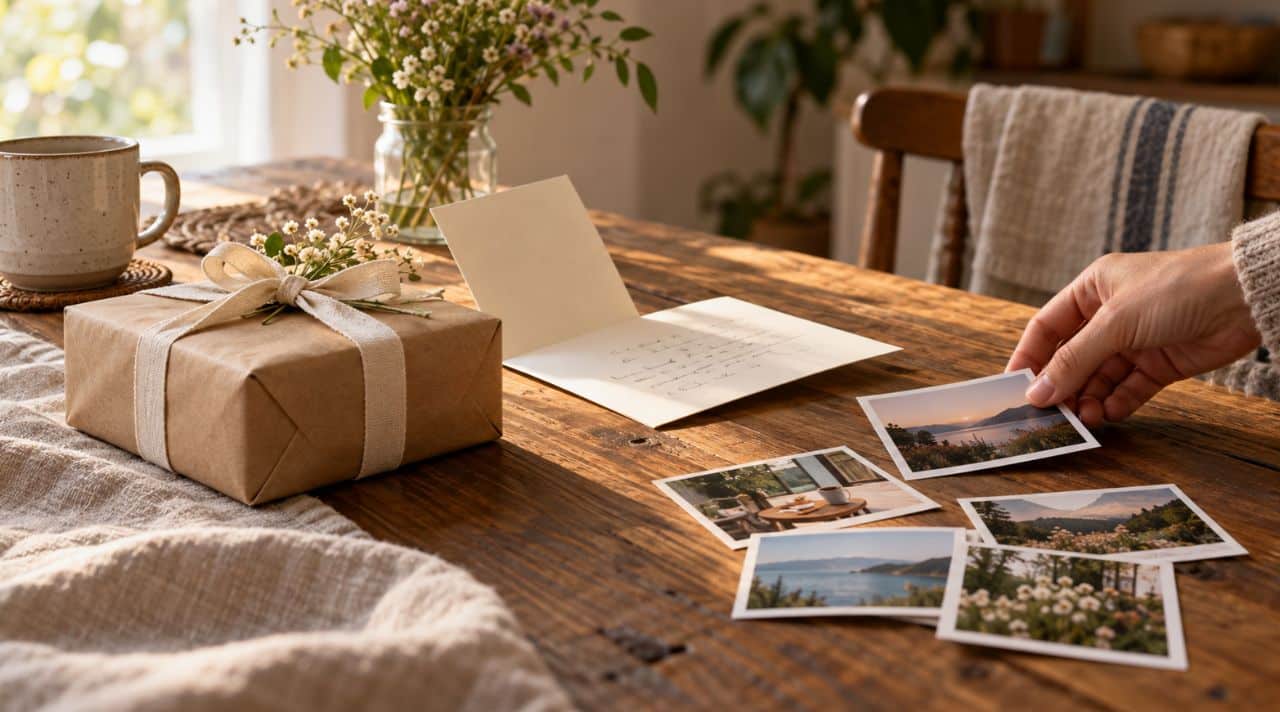
A photo with a date and a specific memory, a collection of letters, or a small object connected to an achievement can preserve something worth returning to. Choose this direction when the person enjoys keeping reminders, rather than assuming every important occasion needs a permanent object.
Keep the selection manageable. A few photographs with meaningful captions can tell a clearer story than a large album assembled without context. Consider whether they would want the memory displayed, stored privately, or simply written in a card.
Choose Something Useful When You Know What Comes Next
A practical gift works best when it answers a known need. That could be an item requested for a new commute, a contribution toward something the person is saving for, or help with a task during a busy transition.
Check before buying equipment, furniture, or anything that assumes a new routine. A gift intended to support the next chapter should not leave the recipient arranging storage, buying accessories, or adapting to your idea of their future.
Offer Time Together or a Personal Note When Another Object Would Not Help
A meal, a walk, or an activity they already enjoy can give the occasion its own space. Offer a choice of dates and check practical details before booking; an experience is easier to welcome when it fits their schedule and interests.
A written acknowledgment is also a complete gesture. Name an effort, kindness, or contribution you noticed. It can mark the moment without asking the person to find room for a gift or make time for an event.
For Graduation, Match the Gift to the Graduate’s Actual Next Step
Help an Adult Child Start Out With Something They Have Said They Need
For an adult child leaving college, begin with their actual plans. A new apartment, further study, and a job search create different needs; none should be assumed from the graduation date alone.
College graduation gifts can support a routine they are building: something requested for a commute, a useful household item, or a contribution toward a known expense. Agree on the need before choosing the item, especially when size, style, or compatibility matters.
Recognize an Adult Graduate’s Effort Without Assuming They Are Starting Over
Someone who completed a qualification while working may already have a home, a career, and well-established preferences. A dorm-room gift or advice about entering the “real world” may miss the achievement entirely.
When celebrating an adult graduate, acknowledge the work they completed and offer something easy to receive. A meal they can schedule or a personal note may fit better than another organizer or a surprise gathering.

A planner belongs here only if the graduate already enjoys planning on paper. Ask about their preferred size and layout before choosing one; a digital-calendar user may have little use for it.
Mark the Achievement Even When There Is No Ceremony
A graduation without a ceremony still gives you something specific to acknowledge. A card naming the qualification, a favorite meal, or a small gathering they have agreed to can give the accomplishment a moment of its own.
Ask whether they want recognition before trying to recreate a formal event. Missing a ceremony does not necessarily mean they want speeches, academic decorations, or a replacement party.
For a Promotion or Career Change, Recognize the Progress Without Assuming Their Plans
Celebrate a Promotion With Specific Congratulations and a Gift That Fits Your Relationship
You can celebrate a promotion by naming the contribution you admire: a project they brought through difficulties, a skill they developed, or support they gave others. This makes the congratulations specific before a gift is even considered.
A friend might appreciate a meal together or something they have mentioned wanting. Avoid buying new-office accessories until you know whether their workplace and daily routine are actually changing.
Keep Coworker Promotion Gifts Modest and Professionally Appropriate
Promotion gifts for coworkers should fit workplace norms and the relationship you already have. A signed card, a shared treat that suits their preferences, or a modest useful item can acknowledge the news without making the exchange unusually personal.
Keep group contributions optional. Check any relevant workplace gift rules before collecting money or arranging a presentation.
Ask Before Choosing a Gift for an Uncertain Career Transition
A career change may involve excitement, uncertainty, or circumstances the person does not want to discuss. You can acknowledge a career change without assuming it feels like a celebration.
Offer a meal, a conversation, or practical help they can accept or decline. Avoid gifts printed with a new title, business name, or prediction about their success unless those details are settled and welcome.
For Retirement, Thank Them for Their Contribution and Follow Their Lead on What Comes Next
Gather Specific Memories for a Retirement Gift From the Team
Team retirement gifts can begin with colleagues’ words rather than a shopping list. Ask for a brief memory of something the person taught, solved, or made better.
Gather and edit the contributions before choosing a book, card, or presentation format. Include names so the retiree can recognize the voices, and keep private workplace stories out of a gift that may be shared with family.

A blank book can hold the team’s messages if someone organizes the contributions before the handoff. Check that there is enough space for everyone, and give colleagues a clear deadline.
Choose a Friend’s Gift Around an Existing Interest, Not a Retirement Stereotype
A retirement gift for a friend can reflect something they already enjoy. For a music or fishing enthusiast, that might mean an agreed outing or a contribution toward an item they have chosen.
Check before buying specialist equipment. Familiarity with someone’s hobby does not necessarily tell you which tools they prefer or already own.
Honor a Retirement Privately When They Do Not Want a Party
A retirement without a party can still include a personal letter, a small meal, or a quiet handoff of the team’s messages. Take a request for no party seriously instead of treating it as an invitation to organize a surprise.
Offer a later visit if they would enjoy staying in touch. Let the invitation remain open without asking them to commit to a new social routine immediately.
For an Anniversary, Celebrate the Couple’s Life Rather Than Follow a Gift Formula
Mark the First Year With a Shared Memory or Time Together
A first-anniversary celebration can recall an ordinary moment from the year: a favorite photograph, a meal that became a habit, or a place the couple likes returning to. The meaning can come from recognizing the life they have started building together.
If you are giving to another couple, choose something that includes both people. Ask before booking an outing; the date should not create scheduling work or an unexpected bill.
Choose a 25th Anniversary Gift They Would Enjoy, Whether or Not It Is Silver
25th anniversary gifts without silver can still honor the years: a small collection of meaningful photographs, something both people have requested, or time set aside for an activity they enjoy together.
Silver is a possible direction, not a requirement to buy jewelry or decorative objects. Let the couple’s taste determine whether the tradition belongs in the gift.

An album suits a couple who likes keeping physical photographs. Add a small, thoughtful selection before giving it, and check the print size and capacity rather than leaving the couple with an empty project.
Celebrate Quietly When the Couple Does Not Want to Host a Party
A 25th anniversary without a party can mean a meal at home, a familiar walk, or a few private messages from people the couple cares about. Ask which kind of acknowledgment they would welcome before inviting others.
If you offer to arrange something, make the offer specific. Bringing an agreed meal is different from announcing a gathering that leaves the couple cleaning, hosting, and managing guests.
For a Milestone Birthday, Follow Their Preferences Rather Than the Number
Choose a Gift Around What They Enjoy Now
Look at current interests and habits before choosing a birthday-themed keepsake. A book they want, a favorite food, or an activity they would choose can be more fitting than an object whose main feature is their age.
Use age-related humor only when you know they enjoy it. A birthday gift does not need to make predictions about marriage, children, career progress, or what someone should have achieved by now.
Offer a Quiet 30th Birthday When They Dislike the Spotlight
A quiet 30th birthday might include a favorite meal, an unhurried visit, or a personal note delivered without an audience. Offer a choice of day and company rather than assuming a surprise gathering will feel special.
If they would rather spend the day alone, respect that preference. Recognition can arrive without requiring their time or a public reaction.
For New U.S. Citizenship, Ask What Would Make the Day Meaningful to Them
Let Them Choose Whether the Recognition Is Private or Shared
When celebrating new U.S. citizenship, ask whether a note, a meal, or a gathering would feel welcome. Follow their lead on the timing and guest list instead of assuming they want a public celebration.
A short message can acknowledge the occasion without asking for an account of everything that led to it. Leave room for the person to share as much or as little as they wish.
Check Before Choosing National Symbols or Sharing Their Story
Flag-themed objects, photographs from the day, and public congratulations may be welcome—but check first. Permission to celebrate together is not automatically permission to post their image or personal history online.
If you are uncertain, offer something simple and personal without symbols or a permanent inscription. The gesture can recognize the day while leaving its meaning in the recipient’s hands.
Set a Comfortable Budget and Make One Gesture Specific
Choose One Fitting Gift Instead of Adding Extras to Make It Look Bigger
Decide on your spending limit before comparing options. Include delivery and any costs the gift would create for you or the recipient, especially with outings and experiences.
If the suitable item is beyond your budget, change the gesture rather than buying a less suitable substitute for its appearance. A contribution toward a requested gift, a meal, or a personal letter can still acknowledge the milestone clearly.
Name the Effort, Contribution, or Memory You Are Honoring
A specific message gives the gift context. For a hypothetical graduate who studied while working, “I noticed how steadily you kept going through those evening classes” recognizes something more clearly than a general statement about success.
Keep the wording within what you actually know. Avoid mentioning private difficulties, speaking for a whole group without their agreement, or telling the recipient how they should feel about the next chapter.
Choose one gesture the person would welcome, then make clear what you are honoring. A keepsake, useful gift, shared afternoon, or few honest words can each give a milestone its place. The choice becomes meaningful when it fits the person receiving it.
