

Start with a conversation they can answer honestly, including the answer “no gift.”
When I want to find out what someone enjoys receiving, I often begin during an ordinary conversation. I share my own gift preferences first. The other person often shares theirs too, quite naturally. I hear more than a list of possible purchases: I hear what feels welcome to them.
That is a useful place to begin when thinking about how to ask a minimalist what they want. A direct question can work too, especially when a birthday is close or the exact item matters. The important part is giving them room to tell you what suits their life, rather than asking them to approve something you have already chosen.
Being a minimalist does not tell you whether someone wants coffee, concert tickets or nothing at all. Nor does enjoying an activity mean they want another object connected to it. A good conversation gives you a direction. A small, thoughtful follow-up tells you whether that direction is right for this occasion.
I do not usually begin with a formal request for a wish list. When we are sitting and talking and the subject of gifts comes up, I mention what I like receiving.
Often, the other person starts telling me what they like as well. The conversation has somewhere to go without putting them on the spot.
What matters is sharing something true. There is no need to invent a shopping dilemma or make up a story about a friend. Your own preference gives them something to respond to, whether they agree with it or feel quite differently.
Leave room for their answer
For example, someone who genuinely likes familiar treats could say, “I quite like getting something I already use. What sort of gifts do you enjoy?”
Someone who values outings might say, “I enjoy having something to do together. Do you like that, or would you rather choose your own plans?” These are sample lines, not preferences every giver needs to adopt.
Keep your part brief. If you spend ten minutes explaining your own rules, the other person may feel that agreement is the polite response.
A short thought followed by a little space is enough. Their answer might surprise you: they may love a carefully chosen physical gift while finding an unplanned outing exhausting.
Try “That makes sense” when their preference differs from yours. You are finding out what they enjoy, not inviting them to join your way of giving.
A preference is a clue, not an order
Someone saying “I love good tea” tells you something useful. It does not tell you which tea, whether their cupboard is already full or whether they want a gift this year.
Likewise, a complaint about a worn bag is not automatically a request for a new one. They may be planning to repair it or have a replacement in mind.
When the occasion gets closer, return to the detail they shared: “You mentioned enjoying tea. Would a small box of your usual one be welcome for your birthday, or are you stocked up?” That follow-up connects the conversation to a real choice. It also makes “not this time” an ordinary answer.

There is a point where preserving the surprise creates more work than it saves. If you cannot tell whether an item is wanted, a clear question is kinder than a beautifully wrapped guess.
Ask directly when you need a clear answer
An upcoming occasion sometimes needs a more direct conversation. Ask privately, while there is still time to change your plan.
A family gathering can turn one person’s preference into a discussion involving everyone at the table; a short message gives them more control over when to answer.
Name the occasion and make refusal possible
“I’d like to mark your birthday in a way you’d enjoy. Is there anything you’d welcome, or would you prefer no gift this year?” This works because the question is about this birthday, rather than demanding a permanent declaration about gifts.
If the person has already asked for no gifts, begin from that answer. There is no need to reopen the question because you have found something small. A minimalist should not have to repeat the same boundary in increasingly firm language.
The separate question of asking what gift someone wants is mostly about etiquette. Here, the practical task is making your question easy to answer and then using the answer faithfully.
Make a text message short enough to answer
“I’m thinking ahead to your birthday. Would you enjoy something small, an outing together, or no gift? No rush to decide.” Use only choices you can genuinely offer. Do not suggest an outing if your schedule makes arranging one unlikely.
If you need to decide by a particular date, explain your own timing without making it their emergency: “I’ll be ordering next week, but if you haven’t thought of anything, I’ll leave the shopping aside.” This is more useful than sending reminders every few days.
An unanswered message does not tell you what they want. It might mean they are busy, uncertain or simply missed it. If you would normally check in again, one gentle follow-up is reasonable. If there is still no answer, do not convert the silence into permission for an elaborate purchase.
When they are unsure, narrow the question
“What do you want?” can be surprisingly hard to answer. The person may be weighing your budget, their available space and whether naming something sounds demanding. A smaller question can make the next reply easier, as long as “neither” remains available.
Start with two directions that fit what you already know: “Would you prefer a meal together or a small amount of something you use up?” If neither appeals, let them say so. You do not need to list every clutter-free category until one wins.
These questions are useful for different answers, not a questionnaire to deliver in full. If the first one leads to a clear preference, follow that thread. Asking about refills after they have already chosen lunch simply sends the conversation back to the beginning.
Avoid turning “minimalist” into a category of person who must accept certain gifts. Consumables can be unwanted; subscriptions can become chores; experiences can occupy time they wanted to keep free.
The same care that goes into gifts for minimalists belongs in the questions you ask before choosing one.
If they feel uncomfortable naming a price, give a realistic boundary yourself. “I can cover lunch, rather than a whole weekend away” is clear.
If a specific item is outside your budget, say so warmly and offer an alternative. There is no need to leave them guessing or to spend beyond what you can afford.
Listen to what “nothing” means, without arguing
“I don’t need anything” and “Please don’t give me anything” can mean different things. The first may leave room for a welcome gesture; the second may be a clear request. You cannot settle that difference by deciding they are merely being modest. Ask once if the meaning is genuinely unclear.
- “I haven’t thought about it.”
They have not named a preference yet. Offer time or one small choice, rather than asking them to produce a list immediately.
- “I don’t need any more things.”
They may mean no objects. Ask whether they would welcome another kind of gesture, without assuming that they do.
- “I really don’t want a gift.”
Treat this as the answer. Do not keep offering alternatives until declining feels impolite.
A useful clarification is “Do you mean no physical things, or would you prefer that we skip gifts altogether?” If they answer “skip gifts,” thank them for making it clear. You have learned what you needed to know.
Avoid “But I have to get you something” or “You can’t have nothing.” Those lines make the recipient responsible for relieving the giver’s discomfort. Even an inexpensive surprise can create an unwanted decision: keep it, use it, display it or find a way to pass it on.
There is also a difference between celebrating and insisting on a gift. A usual birthday message can continue to be a birthday message. You do not need to disguise a purchase as “just a little something” to make it exempt from their request. Skipping a gift can be the considerate outcome of a successful conversation.
If they are decluttering, moving or downsizing, the timing matters too. Someone who usually enjoys gifts may have no capacity for them now. Ask about the current occasion instead of relying on what they welcomed years ago.
Follow their answer far enough to avoid buying the wrong thing
Once a person names something they would enjoy, the useful questions change. You are no longer exploring every possibility. You are checking the few details that determine whether their chosen gift will work. “Something for reading” and “this exact replacement” need different follow-ups.
For something physical, confirm the exact choice
Ask for a link, a photograph or the product name when differences matter. Size, scent, fit and compatibility can make a “similar” item useless.
An exact request is not an invitation to buy a fancier version, add a matching set or increase the quantity.For a consumable, ask “Which one do you normally use, and would one be enough?”
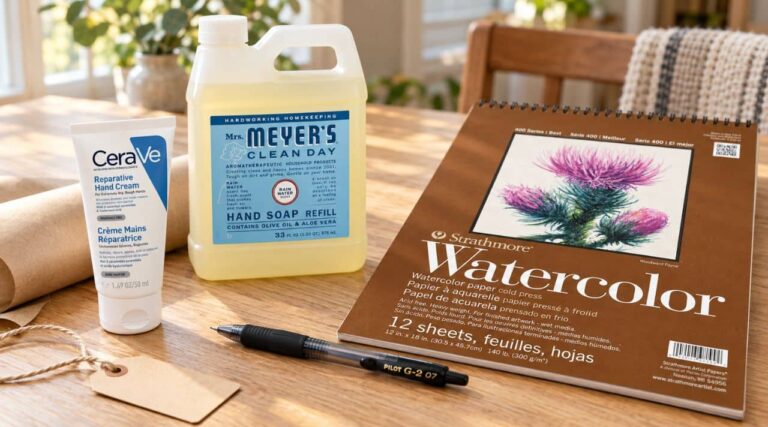
Their favorite soap might be welcome while a scented assortment is not. Non-food consumables work best when the person actually uses them; “it will eventually run out” is a poor reason to choose a product they dislike.If they mention an e-reader, ask whether they have a particular model in mind and what they want to use it for.
The decision about a Kindle gift belongs after establishing that another device is wanted. Enjoying books alone does not answer that question.

For experiences and digital gifts, check the work involved
For an outing, ask about the date before booking: “Would you like to choose a day together, or should I suggest two dates?” Confirm whether they want company. A solo activity they have requested should not quietly become a group event.
If transport or another practical arrangement is necessary, say exactly what you can cover. Someone may enjoy the activity but find getting there difficult. Giving them a ticket while leaving every detail unresolved is not the same as arranging an easy afternoon.
For digital subscriptions, confirm the service, account requirements and the terms of the specific gift. Ask whether they already subscribe. A second membership, an unwanted login or a renewal they must manage can add work even though nothing arrives in a box.
A useful final question is “Is there anything about using this that would make it inconvenient?” You are not asking them to justify their choice. You are checking for a problem you can prevent before paying.
Keep some surprise without changing the answer
Asking does not remove all thought from giving. Choosing a date that works, remembering the exact preference and following through without extra chores are forms of attention. The surprise can be in the note, the timing you have agreed is welcome or the care taken with the handoff.
Gift advice sometimes emphasizes keeping requests broad. Southern Living’s etiquette discussion considers budget and the freedom to choose. For a person who wants one exact item, however, an optional link and an honest budget conversation can be more useful than leaving important details vague.
If they say they want their usual coffee, the surprise does not have to be a new grinder. If they choose lunch, you do not need to arrive with a bag of presents as well. Giving what they asked for can feel personal precisely because you resisted the temptation to improve their answer.
“So, lunch together next Saturday, and no physical gift. I’ll book the place we agreed on.” A clear sentence prevents both people from carrying different versions of the plan.
Keep any notes about preferences somewhere you already use, and treat them as reminders rather than permanent instructions. Someone’s tastes, space and routines can change. Before the next occasion, a brief check is better than assuming last year’s answer still applies.
The conversation is finished when you have enough information to act, or when they have told you not to. You do not need a detailed profile of their household to give one thoughtful gift.
For me, sharing my own preferences often opens the conversation gently. The next part matters just as much: listen, clarify what is still uncertain and follow the answer you receive. That is how to ask a minimalist what they want without turning a kind gesture into another task.
If they name something small, let it stay small. If they name time together, make the arrangement manageable. If they want no gift, let the empty space remain. They should be able to recognize their answer in what happens next.