


Most awkward gift questions are not really about the object. They are about what the gesture may say.
Gift giving etiquette rules can help when the relationship, occasion, or expected response feels unclear. I do not see them as a fixed list of commands. A better starting point is to ask whether the gesture fits the recipient, respects the relationship, and leaves both people comfortable.
This gift etiquette guide groups twelve common decisions into three chapters: deciding whether to give, choosing without creating pressure, and handling a gift after it enters the room. Cultural and religious traditions can change the details, but the same basic care still matters: pay attention, avoid assumptions, and respect a clearly stated boundary.
Before deciding anything, I would slow down long enough to notice four things: who is receiving the gift, what the relationship can comfortably hold, what the occasion actually expects, and what the recipient may need to do after accepting it. A present can be well meant and still create clutter, debt, unwanted contact, or a performance of gratitude.
Family habits, invitations, group agreements, and cultural or religious customs can all shape gift giving expectations. They are useful context, not universal rules. A clearly stated boundary matters more than a tradition I have assumed on someone else’s behalf.
Before deciding to give
Many lists of gift giving dos and don’ts begin too late. They assume a present is required and move directly to shopping. In awkward situations, the more useful question is whether giving will make the moment warmer or heavier.
How much is comfortable?
I would set a limit before browsing. The amount should fit my budget, the occasion, and the closeness of the relationship without creating a standard I cannot maintain. Group limits are useful clues, but they do not require private financial strain. The question of how much to spend on a gift becomes easier when the budget respects both people.
Is it reasonable to give nothing?
No gift may be the right answer when the recipient requested none, the relationship is casual, money is tight, or the gesture would create more obligation than comfort. Warmth can still appear as a message, practical help, or simply showing up. The important distinction is between a considered choice and careless neglect, because skipping a gift can be reasonable without becoming rude.
Should a boss receive a gift?
A workplace gift deserves more caution than an ordinary exchange. Company policy, team custom, and the difference in authority all matter. A private or expensive present can look like pressure even when no favor is intended. Before deciding whether to give your boss a gift, consider whether a group card or shared contribution would be easier for everyone.

What about an ex?
After a breakup, the first question is whether contact itself is welcome. A gift may look like kindness to the giver and like a request for conversation, gratitude, or reconciliation to the recipient. No-contact boundaries should remain untouched. Even when communication remains friendly, giving an ex a gift can carry a message the giver never says aloud.
Does a first date call for a gift?
A first date rarely requires a present. If a small gesture grows naturally from something already discussed, it may feel attentive; a costly or intimate item can put too much meaning into a meeting that has barely begun. When deciding whether to bring a gift on a first date, remember that arriving with nothing is completely normal.
Holiday, cultural, and religious customs may shape what is given, when it is opened, or whether a gift is expected at all. Ask when you are unsure. A tradition should be approached with respect, not turned into a costume or a shopping theme.
Choose for the person, not the performance
Once giving makes sense, the next question is not how to look thoughtful. It is what the recipient can genuinely use, enjoy, or receive without acting delighted for my benefit.
When you do not know them well
For a new neighbor, colleague, host, or relative I rarely see, a modest and broadly usable gesture is safer than a personal guess. Dietary restrictions, scents, sizes, and private interests are easy to misread. A gift for someone you do not know well should acknowledge the relationship without pretending it is closer than it is.
When asking directly may be kinder
Asking what someone wants is not automatically impersonal. It can be the more attentive choice when tastes are specific, money is limited, clutter is a concern, or a wrong purchase would become another task for the recipient. Asking what gift someone wants can still leave room for warmth, especially when the question invites a few possibilities instead of demanding one exact answer.
When they say “No gifts, please”
“No gifts, please” should not be treated as a challenge to find a clever exception. The request may reflect limited space, discomfort with attention, financial fairness, or a wish to keep the occasion simple. Knowing what to do when someone says “No gifts, please” becomes harder when other guests ignore the request, but their choice does not erase the recipient’s boundary.
Cash or a gift card?
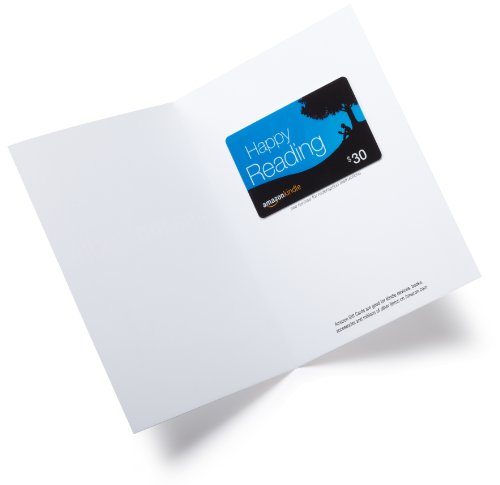
Cash offers the greatest freedom; a gift card adds a little direction. The choice between cash and a gift card depends on the relationship, occasion, and recipient, while a short note can keep either option from feeling like a transaction.
When the gift itself becomes awkward
Sometimes the difficult part belongs to the recipient: an unsuitable present, a boundary that needs protecting, or generosity that feels far too large. Good etiquette should make honesty possible without treating the giver as an enemy.
Can a present be regifted?
Regifting can be reasonable when the item is unused, in good condition, genuinely right for the new recipient, and free of personal meaning. Deciding when it is okay to regift a present requires more care than simply finding someone willing to take it.
How to decline a gift
A gift may need to be declined because of workplace rules, cost, personal boundaries, diet, faith, recovery, or the meaning attached to it. Knowing how to decline a gift politely begins with thanking the intention, stating the limit, and avoiding false hope that persistence will change the answer.
How to receive an expensive gift
An unexpectedly costly present can produce gratitude and discomfort at the same time. To respond to an expensive gift gracefully, thank the giver without discussing price or promising to match it, then address any crossed boundary privately afterward.

Good etiquette protects the meaning of the gesture
Gift giving etiquette rules are useful when they help me notice the person in front of me. The relationship, occasion, budget, cultural setting, and likely after-effect all matter more than performing a perfect exchange.
A present is one way to show care, not proof of it. Sometimes the right choice is a smaller gift, more freedom, a clear boundary, practical help, or no object at all.